

Bengali mythology figures bring together religious symbolism, regional folklore, artistic craftsmanship, and the stories of gods and goddesses associated with Bengal. For collectors and home decorators, these figures can serve as cultural collectibles, conversation pieces, and meaningful gifts.
If you are exploring Bengali cultural figurines for home display, mythology-inspired sculptures offer another way to appreciate Bengal’s artistic traditions. From Goddess Durga figures to Kali statues and representations of regional folklore, the right piece depends on your interests, available space, and preferred style.
Bengali Mythology Figures and Their Cultural Significance
Bengali mythology figures represent deities, legendary characters, and traditional stories preserved through worship, literature, folk performances, and visual art. Their designs may reflect religious traditions, local artistic styles, and the preferences of individual sculptors.
Durga Puja offers a prominent example of this connection between art and culture. UNESCO inscribed Durga Puja in Kolkata on its Representative List of the Intangible Cultural Heritage of Humanity in 2021, recognising the festival’s artistic and community traditions. Read UNESCO’s account of Durga Puja.
Religious Art and Cultural Heritage
Bengal’s religious art includes clay images created for festivals, permanent devotional sculptures, painted representations, and smaller decorative figurines. These objects can share familiar iconographic features while differing in material, size, purpose, and level of detail.
Collectors should distinguish between a ritual object made for worship and a decorative collectible designed primarily for display. A sculpture’s intended use, the maker’s description, and the owner’s beliefs should guide how it is displayed and maintained.
Collectible Figures as Decorative Objects
Bengali mythological collectibles can complement traditional interiors, reading corners, display cabinets, and personal collections. A carefully chosen figure may also connect a family with a favourite story, a regional festival, or a childhood memory.
Explore Bengali-themed collectibles for the home for related ideas. Before purchasing, check whether a particular product is a handcrafted sculpture, a mass-produced figurine, or a festival-specific image.
Popular Bengali Mythological Characters
Bengali mythology characters include widely worshipped Hindu deities as well as figures from regional folk traditions. Their popularity and representation vary by community, religious practice, local storytelling, and artistic interpretation.

Goddess Durga Figures and Kali Statues
Goddess Durga figures often portray the goddess defeating Mahishasura, sometimes accompanied by her children and other familiar elements of Durga Puja imagery. Sculptures may feature multiple arms, symbolic weapons, detailed clothing, and a lion or another traditional companion.
Goddess Kali statues commonly depict the goddess with distinctive iconography, including a prominent tongue, dark colouring, ornaments, and, in many representations, Shiva beneath her feet. The exact attributes depend on the form being represented and the sculptor’s tradition.
The British Museum documents a Kali icon created in Kolkata by artist Kaushik Ghosh, illustrating how regional artistic knowledge informs contemporary sculpture. Its Kali icon feature provides a useful reference for collectors interested in craftsmanship and iconography.

Goddess Manasa, Jagaddhatri, and Chandi
Goddess Manasa is associated with snakes and protection from snakebites in several regional traditions. Manasa idols may incorporate serpent imagery, making the figure visually distinct from other deity sculptures.
Jagaddhatri, worshipped particularly in parts of West Bengal, is often depicted riding a lion and holding symbolic attributes. Chandi refers to a powerful goddess worshipped in different forms across Hindu traditions, including Bengali devotional and literary contexts.
When comparing these figures, examine the sculpted attributes and accompanying product description rather than relying only on a label. Correct identification helps collectors select a figure that represents the intended deity or tradition.

Bonbibi and Dakshin Rai in Bengali Folklore
Bonbibi and Dakshin Rai are associated with the Sundarbans and its regional folklore. Bonbibi is revered in traditions among communities living around the forest, while Dakshin Rai appears in stories connected with the forest and tigers.
These figures broaden the scope of Bengali cultural collectibles beyond familiar temple deities. Their stories also make them interesting subjects for collectors who appreciate regional folklore, storytelling, and the cultural history of the Sundarbans.
Bengali Mythology Statues and Traditional Deity Figurines
Bengali mythology statues range from large devotional sculptures to compact shelf ornaments. The best format depends on the figure’s purpose, available display area, construction, and the level of detail you want to preserve.
Types of Bengali Mythology Figurines
| Figure type | Typical characteristics | Suitable use |
| Durga sculptures | Goddess, symbolic weapons, and sometimes her family | Collecting or devotional display |
| Kali statues | Distinctive goddess iconography and ornaments | Devotional or cultural collections |
| Manasa idols | Serpent-related symbolism | Regional religious collections |
| Jagaddhatri figures | Goddess imagery often featuring a lion | Festival-related or personal collections |
| Folk character figurines | Characters associated with regional stories | Cultural displays and storytelling |
| Decorative deity miniatures | Compact format and simplified detailing | Shelves, desks, or display cabinets |
This table describes common forms rather than guaranteeing the features of every product. Designs vary by maker, region, intended use, and artistic style.

Materials and Craftsmanship
Traditional Bengali deity figurines and modern collectibles can use clay, terracotta, wood, metal, resin, fibreglass, or other materials. Each material has different handling requirements and may suit a different budget or display environment.
Clay and terracotta can preserve a handmade appearance, while resin can accommodate intricate moulded details. Wood and metal offer different visual qualities, but construction quality, surface treatment, stability, and finishing matter more than the material name alone.
For a documented example, the British Museum’s Kali figure collection record describes a late nineteenth-century painted and gilded clay figure associated with Bengal. Such museum records can help collectors understand historical materials and regional styles.
How to Choose Bengali Mythology Collectibles
A good collector buying guide starts with the intended purpose rather than the price or appearance alone. Decide whether you want a devotional object, a cultural keepsake, a decorative showpiece, or a figure that complements an existing collection.
Consider these factors before buying:
- Character accuracy: Check the deity or folk character, symbolic attributes, and description.
- Materials: Match the material to your handling preferences and display environment.
- Size: Measure the shelf, cabinet, or table before ordering.
- Craftsmanship: Look for clear details, an even finish, a stable base, and well-finished edges.
- Product information: Review dimensions, included accessories, packaging, and return terms.
- Authenticity claims: Ask for evidence before paying extra for a claimed handmade, antique, or limited-edition piece.
Collectors interested in related Bengali character designs can consult this Bengali action figures collectors’ guide. Although action figures and mythology statues are different product categories, both benefit from checking construction, provenance claims, condition, and display requirements.
Bengali Mythology Figures for Traditional Home Decor
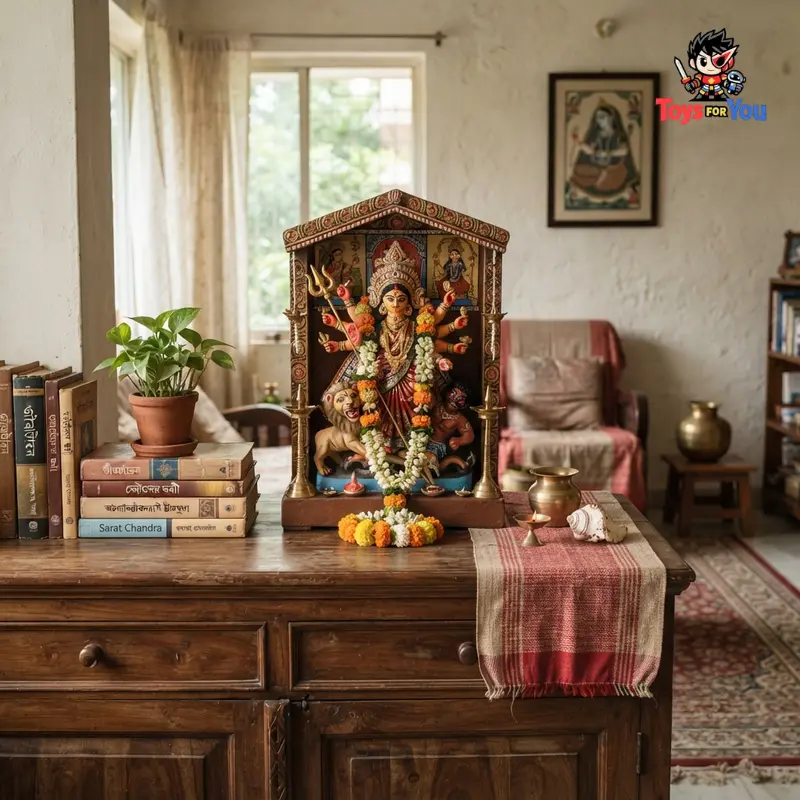
Mythology showpieces for home decor can sit on a bookshelf, in a display cabinet, or on a dedicated shelf where their details remain visible. Choose a location that provides enough room around the figure and protects it from accidental knocks, direct sunlight, and moisture.
A single statement piece may work well in a compact room, while a larger cabinet can accommodate a collection organised by character, material, or regional theme. Neutral backgrounds often make sculptural details easier to see, while a traditional wooden cabinet can complement terracotta or wood finishes.
Display Ideas for Different Spaces
For a study or reading corner, a small figurine can accompany books about Bengali literature, folklore, or religious art. In a living room, a larger sculpture may serve as a focal point, provided the surface can support its weight safely.
If an object is intended for worship, follow the household’s religious practices rather than treating it only as an ornament. Keep devotional objects clean and handle them respectfully according to their purpose.
Choosing Gifts for Collectors
Bengali mythology gifts for collectors work best when the recipient’s interests guide the choice. A person interested in Durga Puja may prefer a Durga sculpture, while a folklore enthusiast may value a figure inspired by the Sundarbans.
For birthdays and other occasions, see this Bengali action figures birthday gift guide for related gifting ideas. Before ordering a mythology figure, confirm the recipient’s preferences, the item’s dimensions, and whether it is suitable for decorative display or devotional use.
Indian Mythology Figures vs Bengali Mythological Collectibles
Indian mythology figures cover stories and deities associated with many regions and traditions, including Bengal. Bengali mythology collectibles focus more specifically on regional interpretations, local worship practices, Bengali folklore, and artistic traditions connected with the region.
| Comparison | Indian mythology figures | Bengali mythology collectibles |
| Scope | Multiple Indian regions and traditions | Bengal-focused stories and styles |
| Subjects | Deities and characters from diverse traditions | Durga, Kali, Manasa, Jagaddhatri, and regional folk figures |
| Artistic references | Vary by region and tradition | May reflect Bengali sculptural and festival styles |
| Collector interest | Broad mythological collections | Regional identity and Bengali cultural heritage |
These categories overlap rather than forming separate religious systems. Durga, Kali, and Shiva are worshipped beyond Bengal, while Bengali artists may represent them through regional styles and local traditions.
Where to Find Bengali Mythology Figures Online in India
When searching for Bengali mythology figures online in India, compare the product’s actual description, photographs, dimensions, materials, shipping terms, and return policy. A listing that mentions a deity or cultural theme does not automatically establish that the item is handmade, historically significant, or suitable for worship.
Start with a clear search for the character and type of figure you want, then check the seller’s product information before ordering. You can also browse Bengali action figures and collectibles buying information for related shopping guidance; confirm that any listed product matches your mythology-figure requirements.
For ToysForYou.in, check the current catalogue and product availability before assuming a particular statue or figurine is in stock. Compare sellers on transparent pricing, delivery estimates, packaging, and after-sales support rather than relying on product photographs alone.
Caring for Mythology Showpieces and Collectible Statues
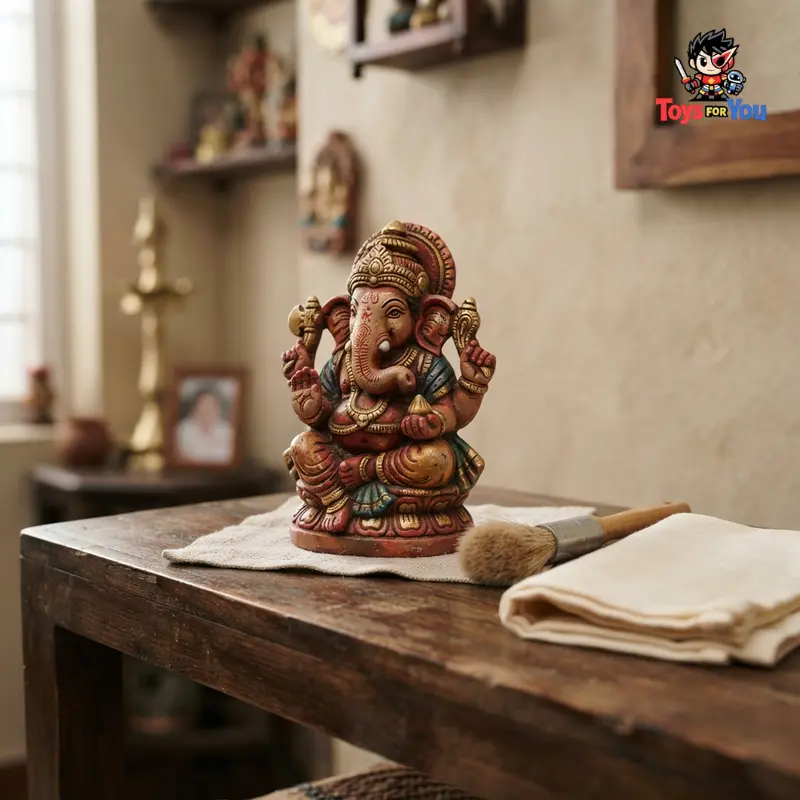
Good statue cleaning and maintenance begins with identifying the material and its surface finish. A method that works for sealed resin may damage painted clay, gilded details, untreated wood, or delicate metalwork.
- Clay and terracotta: Dust gently with a soft, dry brush and avoid soaking the figure.
- Painted resin or fibreglass: Use a soft cloth and follow the maker’s cleaning instructions.
- Wood: Keep it dry and away from prolonged direct sunlight.
- Metal: Use a suitable dry cloth and avoid abrasive cleaners unless the finish permits them.
- Fragile or antique figures: Consult a conservator before attempting repairs or removing stubborn deposits.
Store smaller pieces in stable locations with enough space between them to prevent chips and scratches. Keep packaging for transport where practical, and inspect fragile figures periodically for loose parts, cracks, or fading.
Frequently Asked Questions About Bengali Mythology Figures
1. What are Bengali mythology figures?
Bengali mythology figures are statues, sculptures, and figurines representing Hindu deities, legendary characters, and regional folk traditions associated with Bengal. Collectors may display them as cultural collectibles, decorative objects, or devotional pieces, depending on their design and intended purpose.
2. Which Bengali mythological characters are popular among collectors?
Popular choices include Goddess Durga, Goddess Kali, Goddess Manasa, Jagaddhatri, and Chandi. Collectors interested in Bengali folklore may also look for Bonbibi and Dakshin Rai figures associated with the Sundarbans.
3. What are the most popular Bengali goddess statues?
Goddess Durga and Goddess Kali statues are prominent choices because of their connection with Bengal’s religious traditions and artistic heritage. Manasa, Jagaddhatri, and Chandi figures offer additional options for collectors interested in regional worship and iconography.
4. How are Bengali mythology figures different from other Indian mythology figures?
Bengali mythology figures often reflect regional folklore, local devotional practices, festival imagery, and artistic styles associated with Bengal. However, many featured deities, including Durga, Kali, and Shiva, are worshipped across India, so these categories overlap.
5. Can Bengali mythology figures be used for traditional home decor?
Yes. Bengali mythology figurines can be displayed on shelves, in cabinets, or on suitable tables as part of traditional home decor. Choose a stable location that protects the figure from accidental damage, moisture, and prolonged direct sunlight, while respecting the intended use of devotional objects.
6. Where can I buy Bengali mythology figures online in India?
You can search specialist collectible stores and online marketplaces for specific Bengali mythology statues, deity figurines, and folk characters. Before ordering, review the product photographs, dimensions, materials, seller information, delivery terms, and return policy, and confirm that the item is currently available.
7. What materials are used to make Bengali mythology statues and figurines?
Bengali mythology statues and figurines may be made from clay, terracotta, wood, metal, resin, or fibreglass. Each material has different characteristics in terms of weight, finish, durability, craftsmanship, and maintenance requirements.
8. How should I clean and care for mythology collectible statues?
Start by identifying the figure’s material and surface finish. Use a soft, dry brush for delicate clay or terracotta, follow the manufacturer’s instructions for painted resin, keep wooden figures dry, and consult a conservator before cleaning valuable antique pieces.
9. Are Bengali mythology figures suitable as gifts for collectors?
Yes. Bengali mythology figures can make thoughtful gifts for collectors interested in Bengali culture, religious art, regional folklore, or traditional home decor. Choose a character that matches the recipient’s interests, and check the figure’s size, finish, packaging, and intended use before purchasing.
10. How do I choose the right Bengali mythology figurine for my home?
Consider the character, craftsmanship, material, dimensions, and available display space before choosing a figurine. Check the product description and care requirements, and select a piece that suits your interior style and whether you intend to use it for decoration, collecting, or worship.