
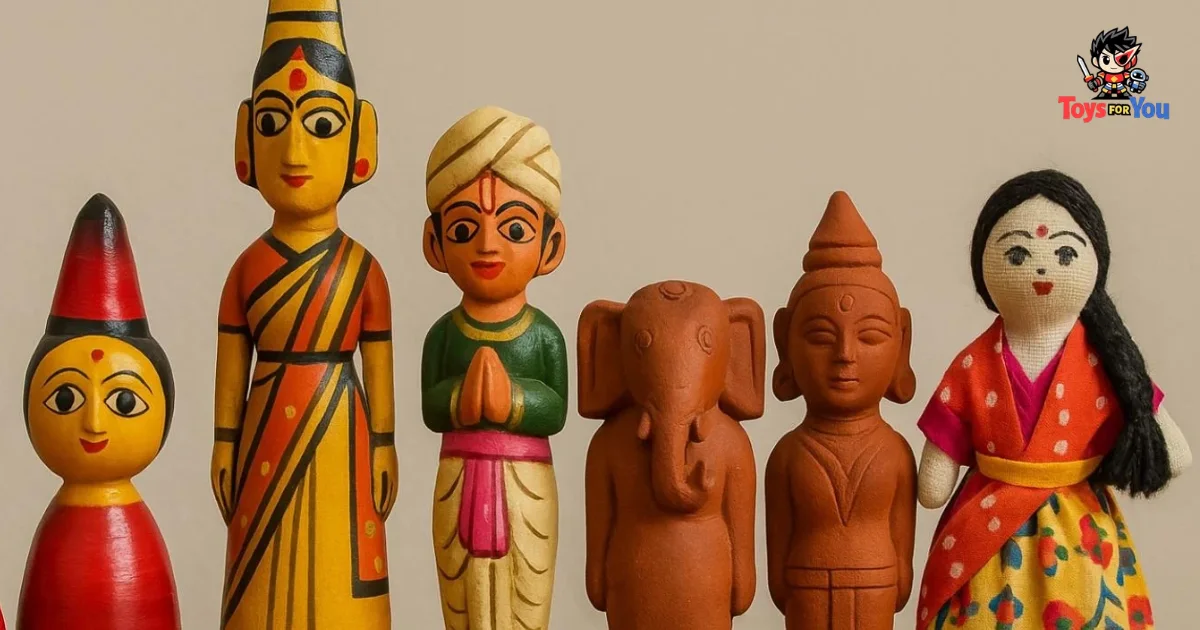
Bengali handmade figurines and mass-produced figures offer different experiences for collectors, from traditional artisan craftsmanship to consistent designs made in larger quantities. The better choice depends on your budget, preferred materials, interest in Bengali culture, and whether you value individual artistic details or uniformity.
If you’re building a collection of Bengali collectibles, understanding these differences can help you choose figures that suit your display, interests, and long-term collecting goals.
Bengali Handmade Figurines vs Mass-Produced Figures
The main difference between handmade Bengali figurines and mass-produced figures is the production process. Handmade pieces often involve individual shaping or finishing by artisans, whereas mass-produced figures are manufactured in batches to create repeatable designs.
Neither method guarantees better quality. Materials, construction, finishing, and quality control determine how well an individual figure is made.
Quick comparison of craftsmanship, price, and availability
| Feature | Handmade Bengali figurines | Mass-produced figures |
| Production | Shaped or finished by artisans | Manufactured in batches |
| Appearance | May have individual variations | Usually follows a standard design |
| Materials | Clay, terracotta, wood, resin, and others | PVC, ABS, resin, and other materials |
| Paint finish | May feature individually applied details | Often uses repeatable finishing processes |
| Pricing | Depends on labour, materials, and complexity | Larger production runs may reduce unit costs |
| Availability | Some designs are made in limited quantities | Often available in larger quantities |
| Cultural themes | Often features traditional and regional art | Includes traditional themes and contemporary characters |
| Collector appeal | Individual craftsmanship and artistic character | Consistency and the ability to collect matching figures |
These are general tendencies, not strict rules. Some handmade figures are produced in large batches by artisans, while premium factory-made collectibles can feature intricate sculpting and detailed paintwork.
Handmade Bengali Figurines and Traditional Craftsmanship
Handmade Bengali figurines combine decorative art with the skills of the people who create them. Their appeal can come from the shaping technique, painted details, material texture, and the way an artisan interprets a cultural character or traditional design.
The role of artisans in Bengali handicrafts
Bengal has a long tradition of clay modelling, terracotta work, folk painting, and other handicrafts. These traditions influence decorative figurines representing cultural themes, religious subjects, folk stories, and regional artistic styles.
The Incredible India website discusses Kolkata’s arts and crafts, including the region’s terracotta tradition. Traditional techniques can give handmade Bengali figurines a distinctive appearance that appeals to collectors interested in local craftsmanship.
The creation process may involve preparing the material, shaping the figure, adding facial features, drying or firing it when required, and applying paint or protective finishes. Each stage can influence the finished product’s appearance and durability.
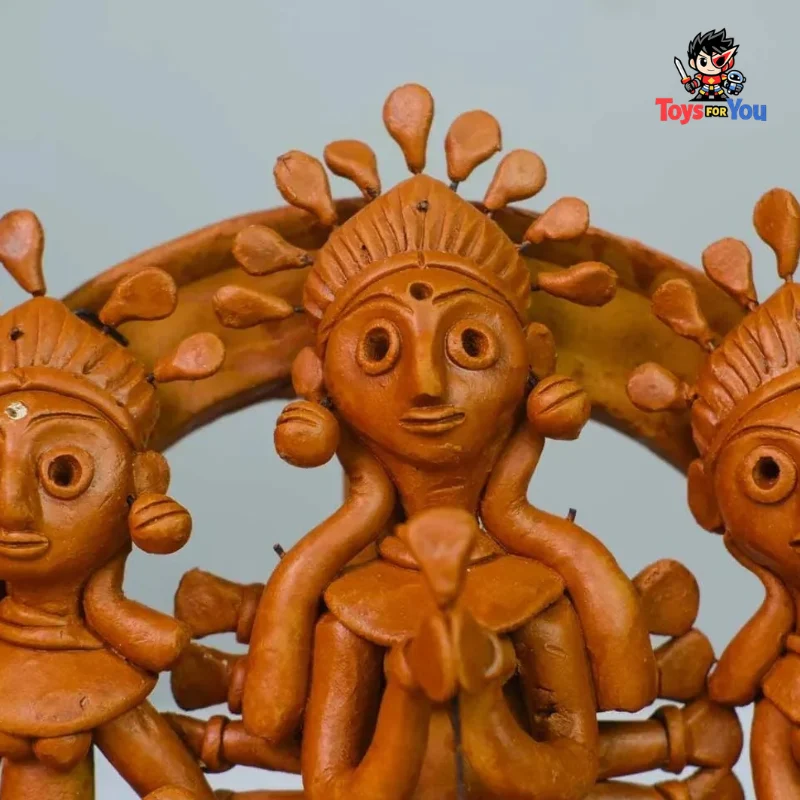
Hand-painted details, small variations, and individual character
Hand-painted figurines may show slight differences in facial expressions, clothing patterns, colours, or surface texture. These variations can make individual pieces feel distinctive, particularly when an artisan shapes and paints each figure by hand.
However, handmade detailing should not replace quality checks. Examine the paint finish, structural stability, surface cracks, and small components before purchasing a figurine.
For collectors, the attraction often lies in the combination of traditional techniques and individual artistic decisions rather than perfect uniformity.
Mass-Produced Collectible Figures
Mass-produced collectible figures are manufactured in batches to create consistent products. Depending on the manufacturer, the process may involve moulding, casting, machine-assisted finishing, hand assembly, painting, and inspection.
How factory production works
A typical manufacturing process begins with a design or master model. Manufacturers create moulds, form the components, assemble the figure, apply colours and finishing details, and inspect the completed units.
Large production runs can spread tooling and design costs across many products. This can make certain figures more affordable and allow manufacturers to distribute the same character or design across different markets.
Mass production is common for toys, character figures, and licensed collectibles. The actual process varies according to the product’s materials, price, and complexity.
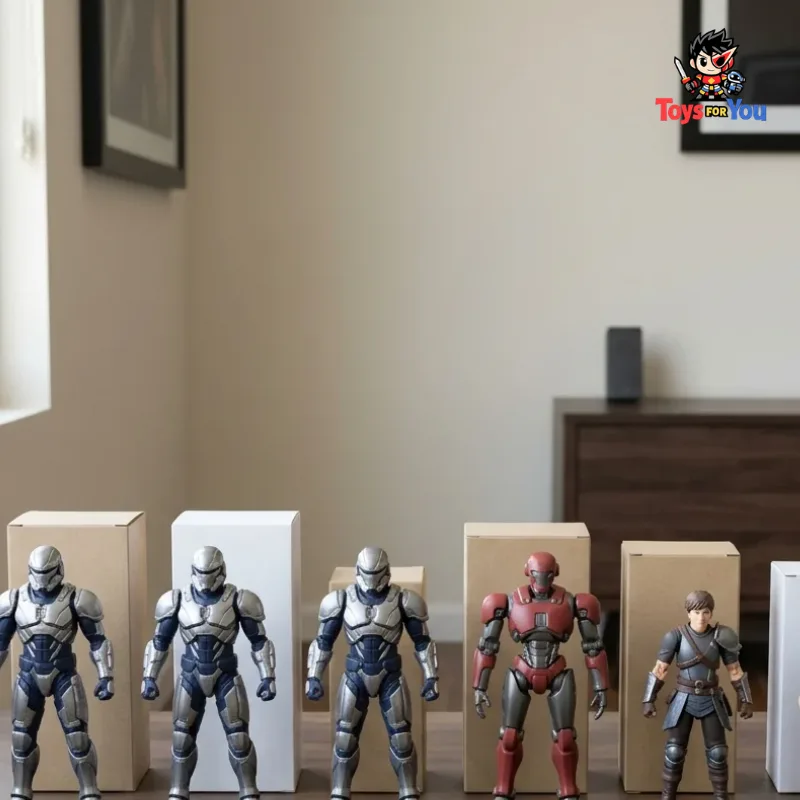
Consistency, availability, and standardised designs
Factory-made figures are often suitable for collectors who want several characters with matching dimensions, similar colours, or coordinated poses. Standardised packaging and repeatable designs can also make storage and display easier.
Availability is another advantage when a product is manufactured regularly. You may find it easier to complete a series or replace a damaged item if the same figure remains in production.
Still, inspect each product for loose parts, uneven paintwork, mould lines, weak joints, and damaged packaging. A standardised manufacturing process does not guarantee that every unit will be flawless.
Materials and Build Quality
Material quality depends on the substance used, the construction method, and the care taken during production. Handmade and factory-made figures can both be durable, detailed, or fragile depending on these factors.
Clay, terracotta, wood, and resin figures
Common materials used in Bengali figurines and Indian collectibles include the following:
- Clay: Suitable for shaped decorative objects and traditional figures. Its strength depends on the clay, drying process, firing method, and thickness.
- Terracotta: Made from fired clay, terracotta is used for traditional figurines and decorative sculptures. Thin projections and delicate parts can chip if dropped.
- Wood: Offers natural grain and opportunities for carving. Its performance depends on the wood type, construction, finish, and storage conditions.
- Resin: Can reproduce fine shapes and surface details. Thin sections may break under pressure, and the finish varies between products.
- PVC and ABS plastics: Used in many mass-produced figures. Their flexibility, rigidity, and resistance to impact depend on the specific material and design.
The Government of India’s Terracotta and Pottery Works resource provides information about clay-based craft processes and decorative objects.
Construction, finish, and quality checks
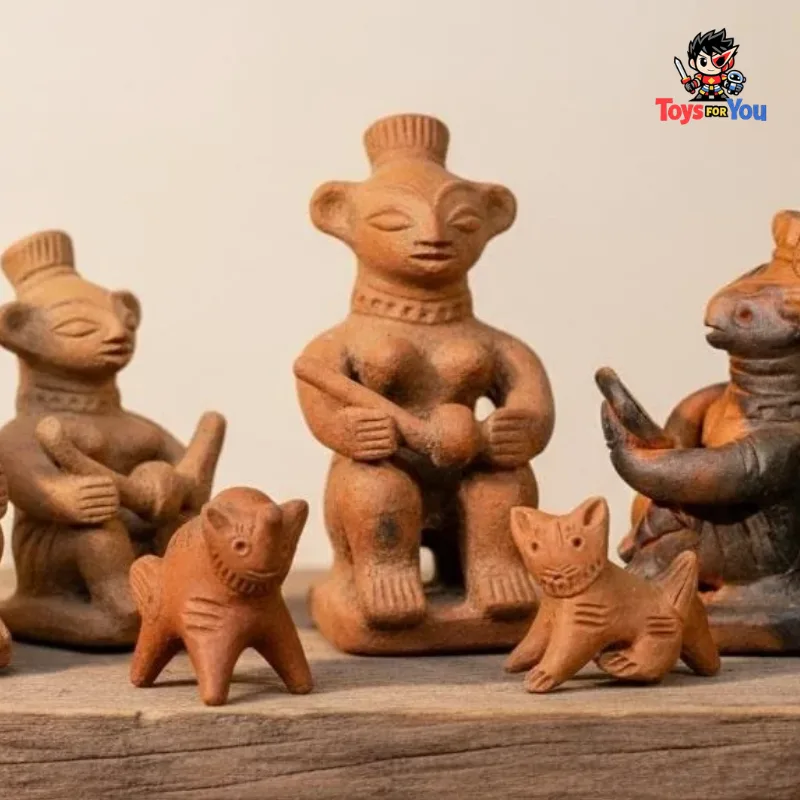
Before buying, inspect the sculpting, paint coverage, surface texture, seams, and stability of the base. For handmade pieces, small variations may be part of the process, but cracks and loose components can indicate structural problems.
For mass-produced figures, check whether the joints, accessories, and separate components fit properly. Compare the actual material and finish rather than assuming that the production method alone determines quality.
Design, Detail, and Uniqueness
Design influences how a figure looks in a display collection and how accurately it represents its subject. Handmade pieces may offer an artisan’s individual interpretation, while mass-produced figures can reproduce a familiar character or established design consistently.
Individual artistic differences in handmade figurines
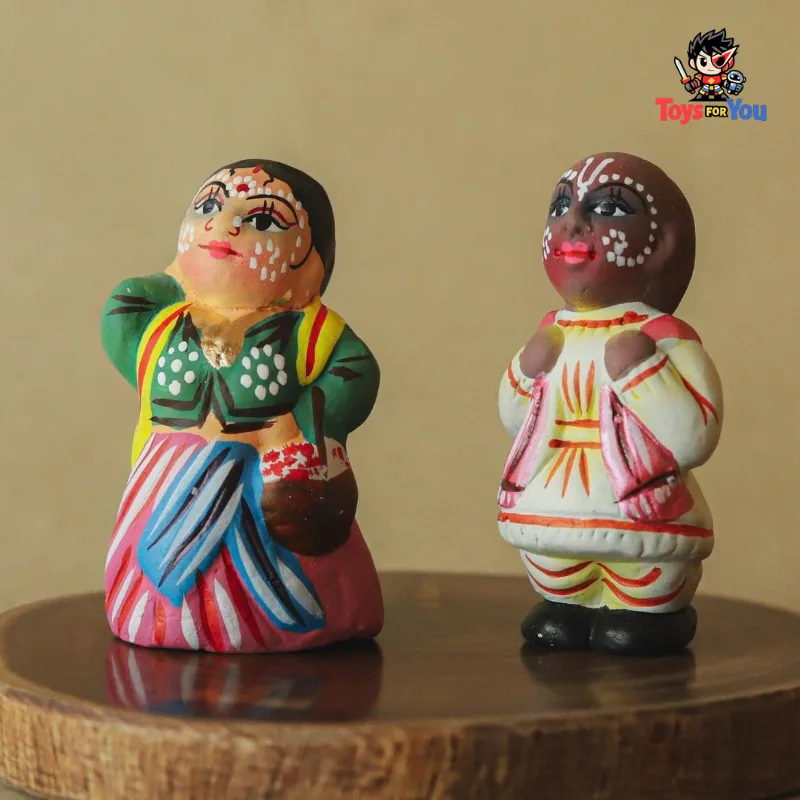
Handmade Bengali figurines may feature traditional clothing, folk-art motifs, regional patterns, and distinctive facial details. The artisan’s approach to colour, shape, and proportion can give a figure its own artistic character.
Bankura’s Panchmura terracotta tradition is one example of regional craftsmanship. India’s national portal features Bankura Panchmura terracotta craft, including the well-known handcrafted terracotta horse.
Such craft traditions may interest collectors who want decorative objects connected to Bengali cultural heritage rather than only contemporary character merchandise.
Repeated designs and consistent finishes in mass-produced figures
Mass-produced figures can be a good choice when you want a consistent appearance across a series. Matching poses, dimensions, colours, and accessories can help create a coordinated shelf or themed display.
For Bengali action figures and fictional characters, compare the sculpt, costume, facial expression, paint finish, and resemblance to the character. A well-made factory-produced figure may offer more precise character consistency than a handmade interpretation.
Price and Collectors’ Value
The price of a figurine reflects several factors, including labour, materials, design complexity, production volume, packaging, and demand. A higher price does not automatically mean a figure will become more valuable over time.
Why handmade Bengali figurines may cost more
Some handmade figurines require substantial individual labour for shaping, painting, and finishing. When an artisan produces only a small number of pieces, the labour and material costs are spread across fewer items.
However, handmade Bengali figurines are not always expensive. Small decorative pieces may be affordable, while large or highly detailed factory-made collectibles can command higher prices.
Compare figures of similar size, material, and complexity before deciding whether the asking price represents reasonable value.
Production costs, scarcity, and collectible value
Collectors should distinguish personal value from potential resale value. A figurine can have cultural or sentimental significance without necessarily increasing in market price.
Resale demand may depend on the maker, subject, condition, provenance, availability, and interest among other collectors. Limited production alone does not guarantee appreciation.
If you want to preserve a collection for years, keep receipts, original packaging, maker details, and any documentation about the figure’s origin. These records can help establish its history if you decide to sell or exchange it later.
Durability and Maintenance
Durability depends on the material, construction, environment, and handling. A carefully made handmade figure can last for years, while a poorly constructed mass-produced figure may deteriorate quickly.
How materials and construction affect durability
Terracotta and unreinforced clay figures can break if dropped, especially around thin limbs or projecting details. Resin figures can preserve intricate shapes but may snap at narrow sections, while plastic figures may tolerate some impacts depending on their construction.
Check the thickness of delicate components, the attachment of accessories, and the stability of the base. For online purchases, review the dimensions, material description, photographs, and seller’s policy for damaged deliveries.
Cleaning, handling, and storage
Use a soft, dry brush or cloth to remove dust from most decorative figures. Avoid soaking painted, wooden, or delicate handmade pieces, and check the manufacturer’s instructions before using water or cleaning products.
Display fragile figurines on stable shelves away from edges, excessive moisture, and direct sunlight. Leave enough space between pieces to prevent accidental knocks, and use suitable protective packaging when moving them.
Bengali Culture and Heritage
Bengali collectibles can represent traditional folk art, mythology, literature, cinema, and fictional characters. Choosing figures from these categories allows collectors to build displays that reflect personal interests and connections with Bengali culture.
Bengali cultural figures, folk art, and traditional themes
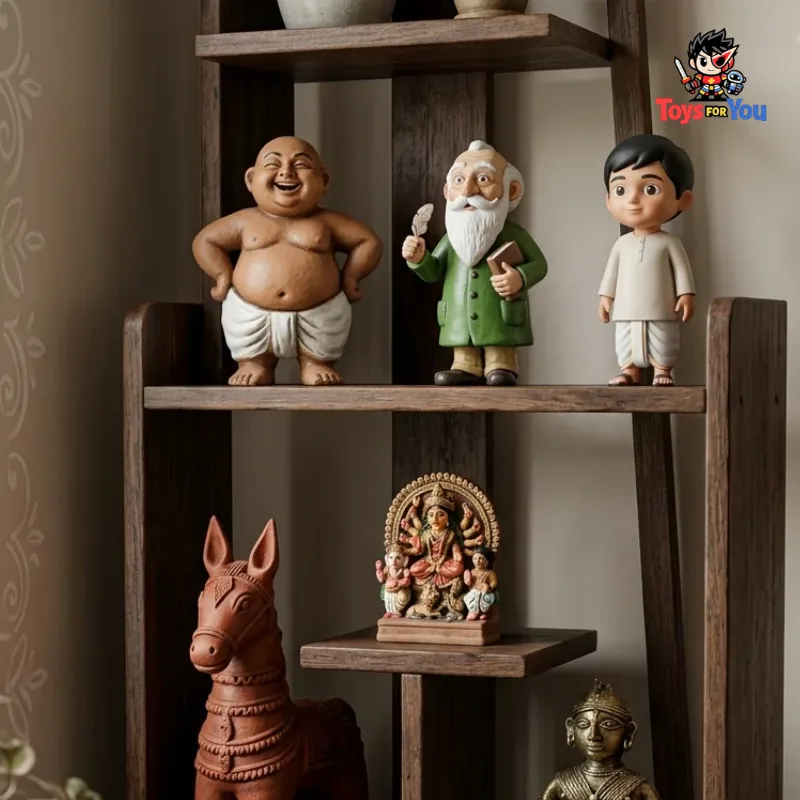
Traditional terracotta pieces and folk-art-inspired figurines often emphasise material, technique, and regional design. Character collectibles may focus more on recognisable faces, costumes, poses, and references to popular stories.
Explore Bengali folk-art-inspired figurines and Bengali-themed collectibles for home decor for ideas on building a culturally focused display.
Choosing figurines that represent Bengali identity and stories
Think about the themes you want your collection to represent. You might prefer traditional folk art, literary characters, mythology, or contemporary Bengali fictional figures.
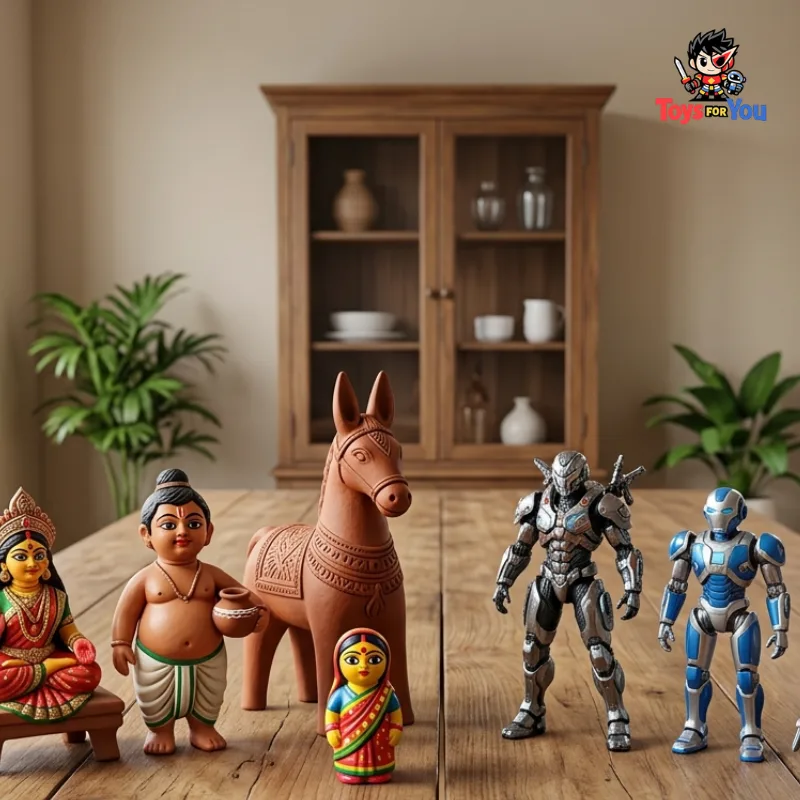
You can also combine handmade and factory-produced items. For example, a terracotta piece can sit alongside a mass-produced character figure to create a display that connects traditional craftsmanship with modern collecting.
Which Figures Are Best for Collectors?
The best choice depends on what you want from your collection. Handmade Bengali figurines may suit buyers who prioritise artisan craftsmanship and individual details, while mass-produced figures may work better for those who want matching designs, repeatable quality, and a wider range of characters.
| Collector’s priority | Suitable option |
| Traditional Bengali craftsmanship | Handmade figurines |
| Individual artistic variations | Handmade figurines |
| Matching figures from a series | Mass-produced figures |
| Consistent character designs | Mass-produced figures |
| Folk-art-inspired home display | Handmade or folk-art-inspired pieces |
| Favourite fictional characters | Either, depending on design and quality |
| A specific budget | Compare both types at similar sizes and quality levels |
If you are starting a collection, read the Bengali action figures collectors’ guide for ideas about themes, display preferences, and choosing figures that fit your interests.
Where to Buy Bengali Collectibles
You can find Bengali handmade figurines through artisan shops, handicraft exhibitions, craft retailers, and specialist online sellers. Mass-produced Bengali action figures and character collectibles may be available through toy stores, online marketplaces, and dedicated collectible shops.
The Indian Handicrafts portal provides information about India’s handicraft sector and artisan-related initiatives.
For buying options, explore where to buy Bengali action figures in Kolkata and Bengali action figures in India.
Before placing an order, check the seller’s contact details, product photographs, dimensions, material descriptions, shipping charges, packaging, and return policy. If a listing claims that a figurine is handmade, limited-edition, or made by a particular artisan, look for supporting information.
How to Choose the Right Figurine
Start with your budget, available display space, and favourite subjects. Then compare the material, craftsmanship, dimensions, finish, and seller reliability.
Use this checklist before buying:
- Material: Confirm whether the figure is made from clay, terracotta, wood, resin, or plastic.
- Craftsmanship: Examine sculpting, paintwork, seams, and small details.
- Authenticity: Look for credible maker information when a specific origin or craft tradition is claimed.
- Durability: Consider fragile components, the stability of the base, and the intended display location.
- Price: Compare similar figures rather than judging value by price alone.
- Packaging: Check whether the seller can protect delicate components during delivery.
For gift ideas, consider the recipient’s interests, preferred characters, and display space. A handmade piece may appeal to someone who appreciates traditional Bengali art, while a mass-produced character figure may suit a fan who wants to complete a series.
Frequently Asked Questions
1. What is the difference between handmade Bengali figurines and mass-produced figures?
Handmade Bengali figurines are shaped, decorated, or finished by artisans, so individual pieces may have small variations. Mass-produced figures are manufactured in batches to achieve more consistent designs, finishes, and dimensions.
2. Are handmade Bengali figurines better than mass-produced figures for collectors?
Handmade figurines may suit collectors who value artisan techniques, cultural themes, and individual details. Mass-produced figures may be preferable for collectors who want matching designs, specific characters, or a larger selection at different price points.
3. Why are handmade Bengali figurines more expensive?
Some handmade figurines cost more because they require individual labour, detailed painting, specialised skills, and time-consuming finishing. Their prices also depend on materials, size, complexity, and production quantity.
4. Which materials are commonly used to make Bengali figurines?
Common materials include clay, terracotta, wood, resin, and plastic, depending on the product and its intended use. Each material has different characteristics in terms of weight, surface finish, durability, and care requirements.
5. Do handmade Bengali figurines have better quality than factory-made figures?
Not necessarily. Quality depends on materials, construction, finishing, and quality control, so a well-made factory figure can outperform a poorly finished handmade piece.
6. Are Bengali handmade figurines good for long-term collecting?
Yes, they can be suitable for long-term collections when made well and stored carefully. Protect fragile materials from impacts, moisture, and unsuitable cleaning methods, and retain information about the maker and purchase.
7. Where can I buy Bengali handmade figurines and collectible figures in India?
You can explore artisan shops, handicraft exhibitions, specialist retailers, and online collectible stores in India. Check product photographs, dimensions, materials, seller information, shipping protection, and return policies before ordering.