
Choosing your first collectible can feel overwhelming when faced with terms like Nendoroids, Figmas, and scale figures. Every collector eventually faces the ultimate dilemma: prioritizing poseable action figures or investing in a static scale anime figure. We at ToysForYou.in have handled hundreds of these pieces directly from Japan to help you decide.
If you plan to start your anime figure collection in India, understanding the difference between a Nendoroid vs Figma is your mandatory first step. Your available shelf space, budget, and preferred collection style will dictate whether you should buy a Nendo, an articulated action figure, or a premium statue. Let us examine the exact specifications of each line so you can choose the best option for your display.
Figma vs Nendoroid vs Anime Figures: What’s the Difference?

What is the main difference between Nendoroids, Figmas, and Scale Figures?
Nendoroids are 10cm tall, chibi-style figures with oversized heads, swappable expressions, and minimal articulation designed for cute desk displays. Figmas are highly articulated 13-15cm action figures designed for realistic anatomy and dynamic poses. Scale anime figures are larger, static, highly detailed statues (typically 1/7 or 1/8 scale) with zero articulation that focus purely on premium aesthetic presence.
| Feature | Nendoroid | Figma | Scale Anime Figure |
| Manufacturer | Good Smile Company | Max Factory / Good Smile | Alter, Kotobukiya, etc. |
| Aesthetic Style | Chibi style, adorable, deformed proportions | Realistic anime proportions | 100% source-accurate proportions |
| Articulation | Limited (neck, shoulders, basic leg joints) | Maximum (propriotary smooth joints everywhere) | Static (Zero articulation) |
| Average Size | ~10 cm (3.9 inches) | 13-15 cm (5.1-5.9 inches) | 20-30 cm+ (varies by scale) |
| Best Display | Office desk, PC setups, small shelves | Dioramas, dynamic action scenes, photography | Dedicated display cabinets, detolf shelves |
What Is a Figma Figure? Articulation and Realistic Anatomy
A Figma is an advanced anime action figure line primarily developed by Max Factory and distributed by Good Smile Company. Their core philosophy centers on blending beautiful proportions with highly poseable joints. If you want to recreate a specific scene from an anime, Figma figures offer the necessary articulation to make it happen.
You can easily pose characters like Saber or a Titan in mid-air combat using the included articulated display stand. These figures utilize soft PVC materials in specific areas like skirts or shirts to ensure the joints are not hindered.

Proprietary Joints and 3D Sculpting Precision
The secret to Figma’s success lies in their original joint parts, which are smooth yet rigid enough to hold complex poses. This high-quality engineering ensures the figure remains stable even during extreme action poses. Modern Figma releases heavily utilize 3D sculpting to capture accurate facial expressions and costume details.
What Is a Nendoroid? Chibi Style and Expressive Aesthetics
A Nendoroid is a massively popular line of palm-sized figures created by the Good Smile Company. They are instantly recognizable by their super deformed, chibi style featuring large heads and small bodies. Their primary appeal is undeniable cuteness, transforming even the most intimidating characters into adorable shelf companions.
If you prioritize charm and a fun aesthetic over realistic proportions, you should choose a Nendoroid. They are the perfect size to sit beside your monitor or on a small bookshelf without demanding excessive space.
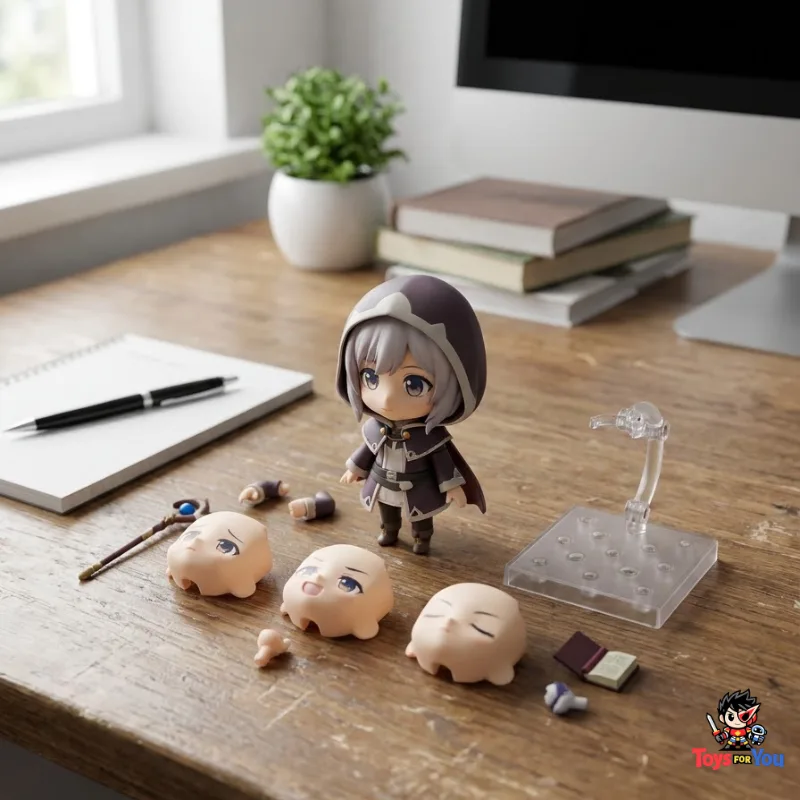
Accessories, Interchangeable Parts, and Modularity
The greatest feature of any Nendoroid is its extensive accessory count and modularity. Almost every release includes two to three extra faceplates, allowing you to change their expression from a funny smile to an angry shout. You can even swap heads and accessories between different Nendos to create entirely new, creative combinations.
Figma Figures vs Standard Scale Anime Action Figures
When comparing Figma figures directly to a standard scale anime figure, the decision heavily depends on your desire for interaction. A scale figure is essentially a high-end, 3D piece of art frozen in a specific pose. You cannot move their arms, change their expression, or adjust their stance.
If you value absolute perfection in paint gradients and shading, read our guide on Nendoroid vs scale figures to understand the visual differences. A scale figure will always have superior detail because the sculptor does not have to worry about cutting the plastic to insert a joint.

Static Detail vs. Poseability
An action figure like a Figma sacrifices a small amount of aesthetic purity to give you articulation. The visible joints on the elbows and knees might bother some collectors who prefer a completely unbroken sculpt. However, the ability to change your display perspective every week makes a Figma far more interactive than a static statue.
Core Comparison: Articulation, Poseability, Size, and Scale
Your choice between action figures vs Figma vs Nendoroids often comes down to how you plan to interact with your collection. If toy photography is your primary hobby, Figmas are generally the go-to recommendation. Their realistic joints allow for impressive action shots in outdoor environments or custom dioramas.
Nendoroids, while slightly poseable, have severe articulation limits due to their short limbs and large heads. They are better suited for static, cute poses rather than dynamic combat stances.
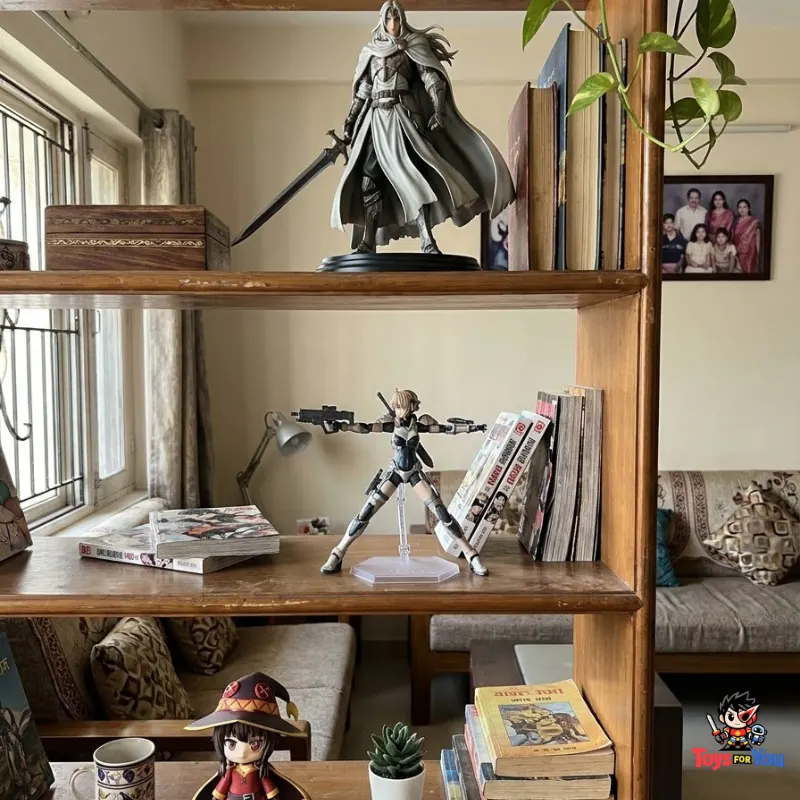
Articulation and Posing Compared
Figma joints allow for deep ab crunches, high kicks, and natural-looking shoulder movements. A Nendoroid typically only offers rotation at the neck, shoulders, and hips, with some specialized “Super Movable” editions offering slightly more knee bends. You must accept that a Nendo’s posability is inherently restricted by its design.
Figma vs Nendoroid: Display, Size, and Shelf Space
Shelf footprint is a massive factor when you collect long-term. You can easily fit ten Nendoroids on a single display riser due to their compact 10cm height. Figmas require a bit more horizontal room, especially if you pose them wielding long weapons or utilizing effect parts.
If you are curious about how larger statues fit into this equation, you can see how anime figure scales are explained in our comprehensive size guide. A single 1/4 scale figure can consume an entire shelf layer, making Nendoroids and Figmas much more space-efficient options.
Figma and Nendoroid Prices & Availability in India
The cost of importing Japanese collectibles to India involves considering base prices, shipping, and customs duties. A standard Nendoroid generally retails for a more affordable price compared to a standard Figma. The complex engineering of Figma joints and their realistic proportions drive their production costs higher.
Limited editions or highly sought-after characters like Hatsune Miku can skyrocket in price on the aftermarket. We highly recommend placing a preorder to secure the best price and avoid aftermarket inflation.
Where to Buy Authentic Figma and Nendoroid Figures
Finding reliable sources is essential to protect your wallet from counterfeit products. You can research the best anime figure brands in India to identify authorized distributors. Utilizing reputable international storefronts like HobbyLink Japan ensures you receive genuine factory-sealed products.
Never purchase heavily discounted figures from unverified marketplace sellers. You must learn the original vs fake anime figures difference to spot low-quality bootlegs, which often suffer from brittle joints and toxic paint smells.
How to Choose the Right Figure for Your Collection
Choosing between these lines requires you to evaluate your personal taste and display goals. If you love customizing your collection, mixing and matching parts, and smiling at cute designs, the Nendoroid line is an absolute must-have. If you prefer realistic anime representations and recreating your favorite fight scenes, a Figma is the clear winner.
For those looking to expand beyond these two lines, consider reading an anime figure buying guide for Indian collectors to discover other options. Keep track of what characters you truly love, as that will naturally guide your purchase decisions.

Which Is Better for Beginner Collectors?
We strongly recommend Nendoroids for absolute beginners. They are generally more affordable, highly durable, and offer immediate gratification with their swappable parts. They hold their value incredibly well on community databases like MyFigureCollection and serve as an excellent gateway into the hobby.
Frequently Asked Questions About Figma and Nendoroid Figures
What are the main differences between Nendoroid, Figma, and scale figures?
Nendoroids are 10cm chibi figures with minimal articulation and swappable faceplates. Figmas are 13-15cm highly articulated action figures with realistic proportions. Scale figures are large, static statues with zero articulation, designed strictly for high-end aesthetic display.
Which is better, Figma or Nendoroid?
Neither is objectively better; it depends entirely on your aesthetic preference. Choose a Nendoroid if you want adorable, chibi-style characters with swappable parts for a desk display. Choose a Figma if you want realistic proportions and high articulation for dynamic action posing.
How do Nendoroids and Figmas compare in terms of articulation and posing?
Figmas feature proprietary smooth joints designed for maximum posability, allowing for deep stances and realistic human movement. Nendoroids have severe articulation limits due to their large heads and short limbs, restricting them to basic, cute poses.
How do Figma and Nendoroid compare in terms of scale and shelf space?
Nendoroids stand roughly 10cm tall and consume very little horizontal space, making them perfect for crowded desks. Figmas stand 13-15cm tall and require slightly more room, especially when utilizing their display stands for aerial action poses.
What is the price-to-detail ratio and long-term value of Figma vs. Nendoroid?
Nendoroids generally offer a lower entry price and hold exceptional long-term aftermarket value due to character popularity. Figmas cost slightly more due to complex joint engineering but provide immense value for collectors who prioritize interaction and toy photography.
What is the difference between a Nendoroid and a Nendoroid doll?
A standard Nendoroid features a plastic body with pre-sculpted clothing and limited articulation. A Nendoroid Doll uses the same interchangeable head but features a highly articulated doll-like body dressed in real fabric clothing that you can change.
Which is better, Figma or SH Figuarts?
Both are premium action figure lines. Figma excels in anime characters, offering softer PVC materials and smooth joints. SH Figuarts, produced by Bandai, generally excels in live-action properties like Marvel or Kamen Rider, featuring robust, highly mechanical joint structures.